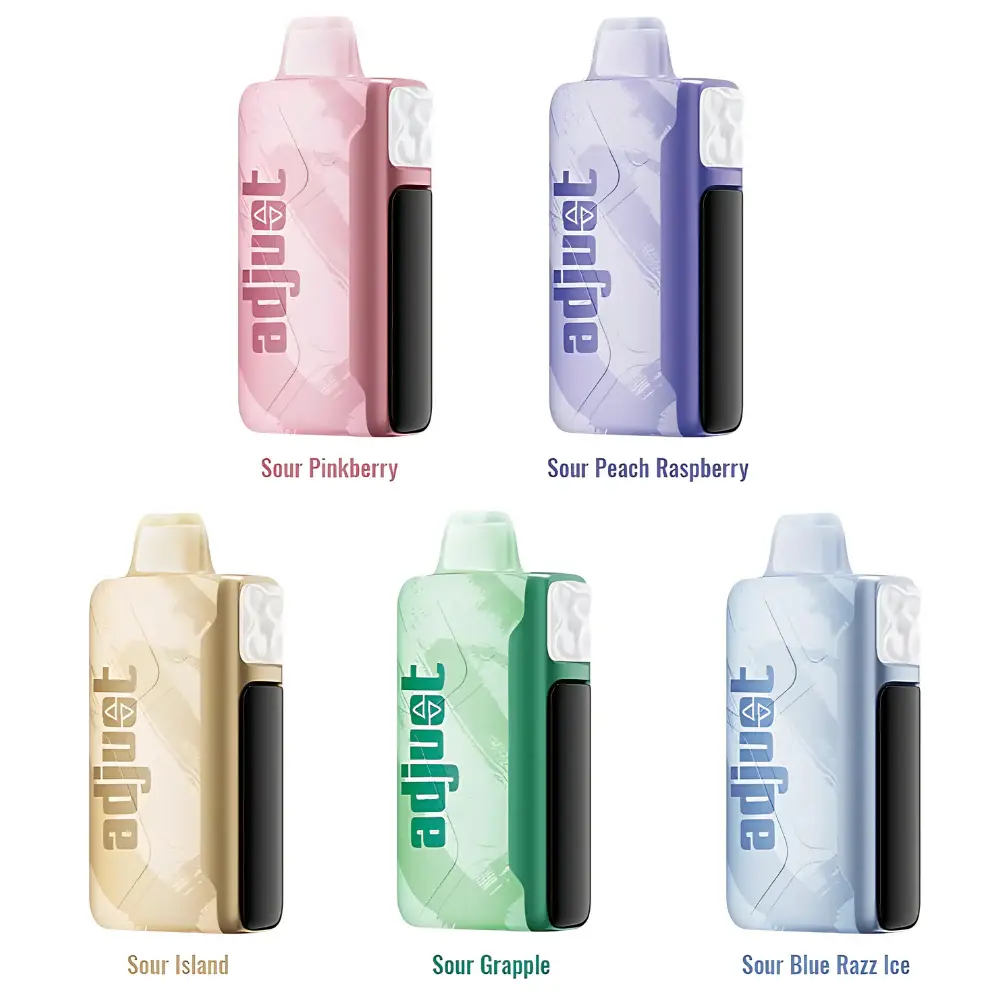
Our warehouse in Memphis moves roughly 15,000 disposable vapes per month. Every single one uses nicotine salt. That's not because freebase nicotine is bad—it's because the physics and chemistry of disposable devices make salt nic the objectively better choice for the form factor. Here's the full technical breakdown.
The Chemistry: What's Actually Different
Nicotine in its natural state (as found in tobacco leaves) is a freebase compound—an alkaline molecule with a pH around 7.5–8.5. This high pH causes irritation when inhaled at concentrations above 12–18mg/mL. That throat burn is a chemical reaction, not a flavor feature.
Nicotine salt is created by adding a mild acid (typically benzoic acid or citric acid) to freebase nicotine. This lowers the pH to around 5.0–6.0, producing a compound that's smoother on the throat even at high concentrations. The acid also changes how quickly nicotine is absorbed: salt nic enters the bloodstream faster, producing a spike-and-settle curve more similar to a cigarette than the gradual ramp of freebase.
Throat Hit: The Practical Difference You'll Feel
Throat hit is the single biggest experiential difference between salt nic and freebase. If you've ever tried a high-nicotine freebase e-liquid in a sub-ohm tank, you know the burn—it's sharp, scratchy, and makes you cough. That's because freebase nicotine at higher pH irritates the throat epithelium.
Salt nic at the same concentration (say, 50mg/mL) feels comparatively mild. Not smooth like air, but smooth enough that most users don't cough. This is why every major disposable vape brand—Geek Bar, RAZ, Foger, Lost Mary, Flum—uses nicotine salt exclusively. The low-wattage, high-concentration format only works because salt nic makes it tolerable.
Why This Matters for Device Choice
| User Scenario | Best Nic Type | Recommended Strength | Device Type |
|---|---|---|---|
| Former pack-a-day smoker | Nicotine salt | 50mg/mL (5%) | Disposable or pod system |
| Social/occasional smoker | Nicotine salt | 20–35mg/mL (2–3.5%) | Disposable or pod system |
| Gradually reducing nicotine | Nicotine salt | Variable (start 5%, step down) | Kado Bar NI40K (adjustable) |
| Cloud chaser / hobbyist | Freebase | 3–6mg/mL | Box mod + sub-ohm tank |
| Zero nicotine (flavor only) | Either (no difference) | 0mg/mL | Any device |
Absorption and Nicotine Delivery
The National Institute on Drug Abuse notes that e-cigarettes deliver nicotine by heating a liquid to generate an aerosol that the user inhales. What they don't detail in their fact sheet—but the pharmacokinetic literature does—is how the delivery curves differ between salt and freebase.
The key takeaway: salt nic produces a nicotine spike that peaks in roughly 1–2 minutes—close to the cigarette absorption curve. Freebase nicotine, especially at the lower concentrations used in sub-ohm setups (3–6mg/mL), produces a slower, more gradual rise that peaks around 5–8 minutes. Neither curve is inherently "better"—they serve different use cases.
For someone accustomed to cigarettes, salt nic's fast peak feels more natural. For hobbyist vapers who enjoy extended sessions with large vapor production, freebase's gradual delivery is a feature, not a bug—you can vape longer without overshooting your nicotine tolerance.
Power and Device Compatibility
This is where the technical specs get practical. Nicotine salt and freebase nicotine are designed for different power ranges, and using the wrong combination creates a bad experience.
| Parameter | Nicotine Salt | Freebase Nicotine |
|---|---|---|
| Optimal wattage | 7–25W | 40–200W |
| Coil resistance | 0.8–1.4Ω (MTL) | 0.1–0.5Ω (sub-ohm) |
| Draw style | Mouth-to-lung (MTL) | Direct-to-lung (DTL) |
| Vapor production | Moderate, discreet | Large clouds |
| E-liquid consumption | Lower (small coil, low wattage) | Higher (large coil, high wattage) |
| Battery drain | Slower (low wattage) | Faster (high wattage) |
Editor's Note Never use 50mg/mL nicotine salt in a sub-ohm device. The high wattage would vaporize too much nicotine per draw, causing nausea, dizziness, and headaches—symptoms of nicotine overconsumption. Salt nic belongs in low-power devices only. Conversely, using 3mg freebase in a low-wattage pod system produces almost no perceptible nicotine delivery—it'll feel like you're inhaling flavored air.
Which Disposable Vapes Use Nicotine Salt?
All of them. Every major disposable vape brand on the US market uses nicotine salt at 5% (50mg/mL). This isn't a marketing decision—it's a physics decision. Disposable vapes operate at 7–15W with high-resistance coils, which is the exact power range where salt nic performs best.
The only exception in our catalog is the Kado Bar NI40K, which uses a dual-chamber system to blend nicotine salt liquid with nicotine-free liquid in adjustable ratios. But even in that device, the nicotine itself is salt-based.
Zero Nicotine Options
Some devices offer 0% nicotine variants—notably the RAZ zero nicotine lineup on the TN9000 and LTX 25000 platforms. At 0mg/mL, the salt vs. freebase distinction is irrelevant because there's no nicotine in the liquid at all. The e-liquid is simply PG/VG with flavorings.
Zero-nic devices are worth considering if you want the hand-to-mouth habit and flavor experience without nicotine. For more on nicotine content across brands and models, see our complete nicotine comparison guide.
The EU Difference: Why European Devices Are Weaker
If you've used a disposable vape in the UK or EU, you've experienced a 20mg/mL (2%) nicotine salt limit imposed by the Tobacco Products Directive (TPD). US devices at 50mg/mL deliver roughly 2.5× the nicotine per puff. This is why travelers often report that EU vapes feel significantly less satisfying than US devices—it's not the device quality, it's the regulatory ceiling on nicotine concentration.
Our Recommendation
For disposable vape users: you're already using nicotine salt, whether or not you realized it. The chemistry is baked into the device format. There's no decision to make.
For users considering refillable pod systems or box mods: choose based on your draw style. Mouth-to-lung draws at 20–50mg/mL work best with salt nic. Direct-to-lung at 3–6mg/mL works best with freebase. Mixing these up results in either a harsh throat assault or a frustratingly weak nicotine delivery.
 |
RAZ LTX 25000 (DC25000) 25,000 puffs · 50mg salt nic · HD display · Adjustable airflow |
$23.99 | View Deal |
 |
Geek Bar Pulse X 25000 25,000 puffs · 50mg salt nic · Dual mesh coil |
$24.99 | View Deal |
 |
Kado Bar NI40K 40,000 puffs · Adjustable 0–5% salt nic · Ice control |
$19.99 | View Deal |
Frequently Asked Questions
- What is nicotine salt?
- Nicotine salt is nicotine combined with a mild acid (usually benzoic acid) to lower its pH. This makes it smoother to inhale at high concentrations (up to 50mg/mL) compared to freebase nicotine, which becomes harsh above 12mg/mL. All modern disposable vapes use nicotine salt.
- Is nicotine salt more addictive than freebase?
- Both deliver the same nicotine molecule—the addictive compound is identical. However, salt nic's faster absorption rate means it hits the brain more quickly, which some researchers suggest may reinforce the habit more strongly. The NIDA tobacco and vaping research page provides more context on nicotine addiction mechanisms.
- Can I put freebase e-liquid in a disposable vape?
- No. Disposable vapes are sealed, pre-filled systems that cannot be refilled. Even in refillable pod systems designed for salt nic, using high-concentration freebase would produce an extremely harsh throat hit. Use the correct nicotine type for your device's power level.
- Why do disposable vapes use nicotine salt instead of freebase?
- Disposables operate at low wattage (7–15W) with high-resistance coils. At this power level, you need high nicotine concentration (50mg/mL) to deliver satisfying nicotine. Freebase nicotine at 50mg/mL would be painfully harsh. Salt nic solves this by lowering the pH, making high concentrations smooth enough to inhale comfortably.
- What's the difference between 5% and 50mg/mL?
- They're the same thing expressed differently. 5% means 5% of the liquid weight is nicotine, which equals approximately 50mg of nicotine per milliliter of liquid. Both notations appear on device packaging and are interchangeable.
- Is nicotine salt safer than freebase nicotine?
- Neither is "safer" than the other in terms of health outcomes. The nicotine molecule is identical. The difference is in throat sensation and absorption speed. Salt nic is smoother at high concentrations; freebase delivers a more gradual nicotine curve. Both carry the same addiction risk.
- Does nicotine salt give you more of a buzz?
- At the same concentration, salt nic reaches peak blood levels faster than freebase, which can produce a more noticeable initial sensation. But this is a function of absorption speed, not total nicotine delivered. Over a 30-minute session, total nicotine intake can be similar between the two.
- Can you get zero nicotine salt vapes?
- Yes. Several brands offer 0% nicotine versions using the same salt nic e-liquid base minus the nicotine. RAZ offers a zero nicotine lineup on its TN9000 and LTX 25000 platforms. At 0mg, there's no functional difference between salt and freebase—both are just flavored PG/VG.
Sources: NIDA Vaping Devices Fact Sheet, NIDA Tobacco/Nicotine Research, general nicotine pharmacokinetics literature, VapesOnlineShop editorial team testing. Last verified: March 15, 2026.