Every week, our customer support team fields the same question in different forms: "Is vaping actually better than smoking?" It is a fair question with a complicated answer. After reviewing dozens of published studies and tracking regulatory positions across three continents, here is what we can say with confidence—and where the science still has gaps.
Chemical Composition: Combustion vs Aerosol
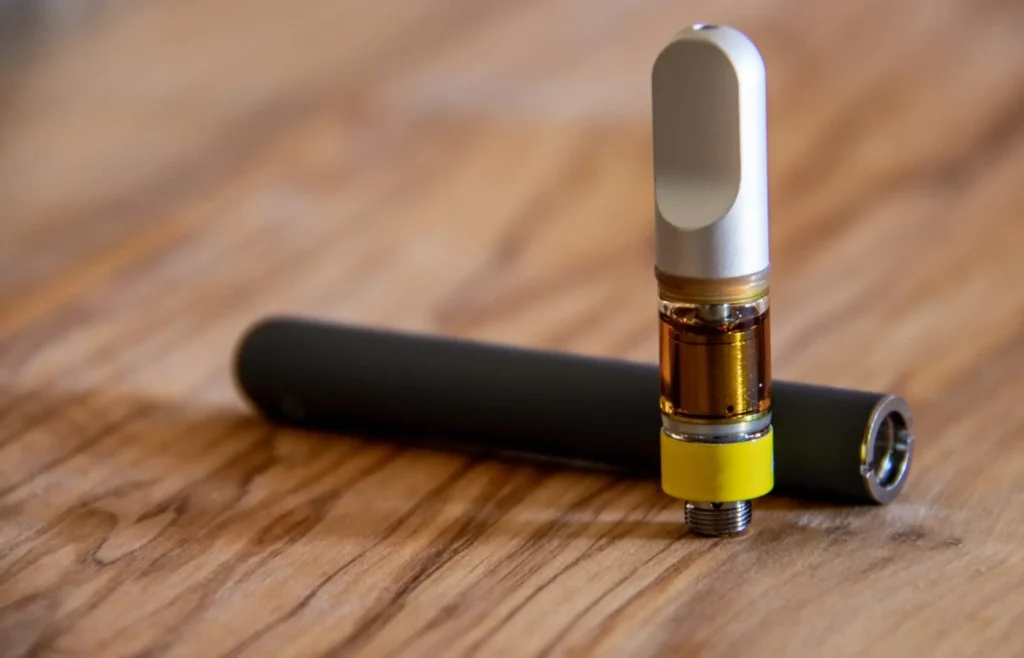
The core difference between cigarettes and e-cigarettes is combustion. When tobacco burns at approximately 900°C, it produces a cocktail of roughly 7,000 chemical compounds, including at least 70 known carcinogens like benzene, formaldehyde, and arsenic. E-cigarettes heat a liquid (typically propylene glycol, vegetable glycerin, nicotine, and flavorings) at 100–250°C—well below the threshold for combustion.
According to the National Institute on Drug Abuse (NIDA), e-cigarette aerosol generally contains fewer toxic substances than the mix of chemicals in cigarette smoke. That said, "fewer" does not mean "zero." Researchers have identified trace levels of heavy metals (lead, nickel, chromium) shed from heating coils, as well as carbonyl compounds produced when e-liquid is overheated.
The takeaway here is not that e-cigarette aerosol is harmless—researchers have not established that. The takeaway is that removing combustion removes the majority of known toxicants. Public Health England's widely cited 2015 report (updated in subsequent reviews) estimated that vaping exposes users to a small fraction of the risk associated with smoking, though this figure refers to comparative risk, not absolute safety.
Health Effects: What the Data Shows
Cigarette smoking is linked to roughly 480,000 deaths annually in the United States, per the CDC. It remains the leading preventable cause of death, driving lung cancer, COPD, heart disease, and stroke. The causal relationship between smoking and these conditions is backed by over 60 years of epidemiological data.
For vaping, the long-term picture is still developing. E-cigarettes entered the US market in earnest around 2007, which means researchers have less than two decades of human exposure data. Short-term studies have found measurable improvements in respiratory function among smokers who switched exclusively to vaping, but no one can say with certainty what 30 or 40 years of e-cigarette use looks like.
Respiratory Effects
Multiple studies published in peer-reviewed journals have observed that adult smokers who switch entirely to vaping show improvements in lung function markers, cough frequency, and phlegm production within 3–12 months. However, some studies also document mild airway inflammation in vapers compared to non-users, suggesting that while the magnitude of harm may be reduced, it is not eliminated.
Cardiovascular Effects
Nicotine—present in both cigarettes and most e-cigarettes—is a vasoconstrictor that temporarily raises heart rate and blood pressure. However, much of the cardiovascular damage from smoking comes from carbon monoxide and oxidative stress caused by combustion byproducts, which are absent or dramatically reduced in e-cigarette aerosol. The American Heart Association notes that while e-cigarettes are not risk-free, they expose users to fewer toxicants than combustible tobacco.
Editor's Note The chart above reflects relative risk assessments drawn from published research, not our editorial opinion. Individual outcomes vary. If you do not currently use nicotine in any form, there is no benefit to starting either habit.
Nicotine Delivery and Addiction
Both cigarettes and modern disposable vapes deliver nicotine to the brain within seconds of inhalation. The addictive potential of nicotine itself is comparable regardless of delivery method. Where they differ is in absorption profile and auxiliary compounds.
Cigarette smoke delivers nicotine alongside monoamine oxidase inhibitors (MAOIs) naturally present in tobacco leaf—these compounds amplify the reinforcing effects of nicotine, potentially making cigarettes more addictive than nicotine alone. E-cigarettes skip this synergy, delivering nicotine (typically as nicotine salt in modern devices) without MAOIs.
Most disposable vapes sold in the US contain 50mg/mL (5%) nicotine salt, which delivers a nicotine experience comparable to a traditional cigarette. Devices with lower nicotine strengths—20mg/mL in EU-compliant devices, for example—deliver noticeably less nicotine per puff. For a detailed breakdown of nicotine content across brands and devices, see our guide to nicotine levels in vapes.
Cost Comparison: Annual Spending Breakdown
Beyond health considerations, cost is the most common factor our customers cite when making their purchasing decisions. Here is how the numbers stack up across a typical year, based on national average pricing and self-reported consumption data.
The math is straightforward: a modern 25,000-puff disposable vape retails for $20–$25 and—based on typical usage of 150–250 puffs per day—can last 3 to 5 months. A pack-a-day cigarette habit costs $7.58 to $13.00 per pack depending on the state, translating to $2,765 to $4,745 annually.
Devices Worth Comparing
For adult users evaluating the switch, here are three top-selling devices from our warehouse in Memphis, TN, each offering high puff counts and strong value per dollar.
 |
Geek Bar Pulse X 25000 25,000 puffs · Dual mesh coil · 30+ flavors |
$24.99 | View Deal |
 |
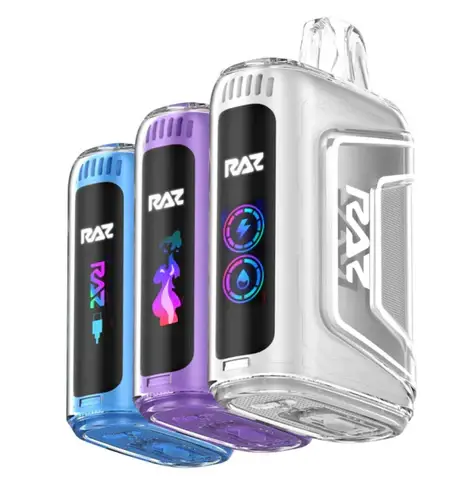
RAZ LTX 25000 (DC25000) 25,000 puffs · HD display · Adjustable airflow |
$23.99 | View Deal |
 |
Foger Switch Pro 30K Kit 30,000 puffs · Magnetic pod swap · USB-C charging |
$22.99 | View Deal |
Environmental Impact
Environmental cost is a dimension often overlooked in the vaping-versus-smoking debate. Both products generate waste, but the composition of that waste differs sharply.
Cigarette butts are the most littered item on Earth, according to multiple environmental surveys. Each butt contains cellulose acetate (a plastic), plus residual tar and nicotine that leach into water systems. An estimated 4.5 trillion cigarette butts are discarded globally every year.
Disposable vapes present a different challenge: lithium-ion batteries and electronic circuitry classified as e-waste. Improper disposal can lead to lithium battery fires in waste facilities and heavy metal contamination. The EPA recommends recycling lithium-ion batteries through designated collection points rather than placing them in household trash.
Pod systems with replaceable pods (like the Foger Switch Pro 30K) reduce e-waste by reusing the battery component across multiple pod refills, making them the most environmentally responsible option in the disposable category. If you are concerned about waste, modular pod systems are worth considering—see our pod vs disposable comparison for a full breakdown.
The Dual-Use Problem
One pattern researchers consistently flag is dual use—adults who both smoke and vape rather than switching entirely. Most of the harm-reduction data cited by public health bodies assumes a complete switch from combustible tobacco to e-cigarettes. Dual users may not see the same benefits, as even a few cigarettes per day maintains exposure to combustion toxicants.
A 2023 study in the journal Nicotine & Tobacco Research found that dual users who smoked even 1–4 cigarettes per day had cardiovascular risk markers similar to exclusive smokers. The implication: if harm reduction is the goal, partial substitution may not achieve it.
What Regulatory Bodies Say
Regulatory positions vary significantly by country and agency:
| Authority | Position | Key Statement |
|---|---|---|
| Public Health England (UK) | Pro-harm reduction | "Vaping is at least 95% less harmful than smoking" |
| American Heart Association | Cautious | "E-cigarettes are not safe" but "less hazardous than combustible cigarettes" |
| NIDA (NIH) | Research-focused | "E-cigarette aerosol generally contains fewer toxic chemicals than cigarette smoke" |
| WHO | Precautionary | Recommends regulation of ENDS; notes insufficient evidence for cessation claims |
| Royal College of Physicians | Pro-harm reduction | "Hazard associated with long-term e-cigarette use unlikely to exceed 5% of smoking" |
For the most up-to-date information on nicotine and tobacco research, the NIDA Tobacco/Nicotine/Vaping Research page provides a comprehensive index of ongoing studies and findings.
Editor's Note VapesOnlineShop is an independent vape retailer, not a medical authority. We present research findings for informational purposes. If you have health concerns about nicotine use, consult a healthcare provider.
Who Should Not Vape
This article is written for adults 21+ who currently use nicotine products. The research consensus is clear on several groups who should avoid vaping entirely:
- Non-users: If you do not smoke or use nicotine, there is no reason to start vaping. The relative harm-reduction argument only applies to people already exposed to combustible tobacco.
- Pregnant individuals: Nicotine in any form poses risks to fetal development.
- Anyone under 21: Federal law prohibits sale of e-cigarettes to minors. Adolescent brain development is particularly vulnerable to nicotine's effects on memory, attention, and impulse control.
Bottom Line
The evidence to date suggests that vaping exposes users to significantly fewer harmful chemicals than smoking, primarily because it eliminates combustion. That does not make it risk-free—nicotine remains addictive, long-term data is limited, and the health effects of inhaling flavoring compounds are not fully understood. For current smokers exploring alternatives, the published research points in one direction; for non-users, the answer is simpler: neither option is beneficial.
If you are researching your options, these guides may help with your next step:
Frequently Asked Questions
- Is vaping less harmful than smoking cigarettes?
- Based on current research, vaping exposes users to fewer toxic chemicals than cigarette smoke because it does not involve combustion. Public Health England and the Royal College of Physicians have both stated that e-cigarettes carry a fraction of the risk of smoking. However, "less harmful" does not mean harmless—long-term effects are still being studied.
- Does vaping help people stop smoking?
- Some clinical trials have found that e-cigarettes can be more effective than traditional nicotine replacement products for adults trying to move away from cigarettes. However, results vary, and regulatory bodies like the WHO note that evidence is not yet sufficient to make broad claims. We recommend consulting a healthcare provider for personalized guidance.
- How much nicotine is in a disposable vape compared to a cigarette?
- Most US disposable vapes contain 50mg/mL (5%) nicotine salt. A single cigarette delivers roughly 1–2mg of absorbed nicotine. The comparison is not straightforward because vapes deliver nicotine continuously across thousands of puffs rather than in discrete cigarette-length sessions. See our nicotine comparison guide for brand-by-brand data.
- Is secondhand vapor as dangerous as secondhand smoke?
- Studies consistently show that secondhand e-cigarette aerosol contains far lower levels of toxicants than secondhand cigarette smoke. The American Chemical Society notes that bystander exposure to nicotine from e-cigarettes is roughly 10 times lower than from cigarettes. That said, it is not zero—using common courtesy in shared spaces is still appropriate.
- Do disposable vapes cost less than cigarettes?
- For most users, yes. A high-puff disposable vape ($20–$25 for 15,000–30,000 puffs) can last months, while a pack-a-day cigarette habit costs $2,765–$4,745 per year depending on state taxes. Even heavy vapers typically spend $480–$1,100 annually on devices.
- What chemicals are in vape juice compared to cigarettes?
- Vape liquid typically contains four main components: propylene glycol (PG), vegetable glycerin (VG), nicotine, and food-grade flavorings. Cigarette smoke contains over 7,000 chemicals including tar, carbon monoxide, formaldehyde, benzene, and arsenic. E-cigarette aerosol does contain some trace compounds (carbonyls, trace metals) but at significantly lower concentrations than cigarette smoke.
- Are there any long-term studies on vaping?
- E-cigarettes have been commercially available since roughly 2007, so the longest studies cover about 18 years of use. Several longitudinal studies are underway, but we do not yet have 30- or 40-year data comparable to the smoking research that began in the 1950s. Short-to-medium-term studies (3–5 years) show improved biomarkers in smokers who switched, but definitive long-term conclusions are premature.
- Is it worse to vape and smoke at the same time?
- Research suggests that dual use (vaping and smoking simultaneously) provides limited benefit compared to exclusive smoking, because even a few cigarettes per day maintains exposure to combustion toxicants. The harm-reduction argument relies on a complete switch from combustible tobacco to e-cigarettes.
Sources cited in this article: National Institute on Drug Abuse (NIDA), US Environmental Protection Agency (EPA), Public Health England, American Heart Association, Royal College of Physicians, American Chemical Society. Last verified: March 14, 2026.